
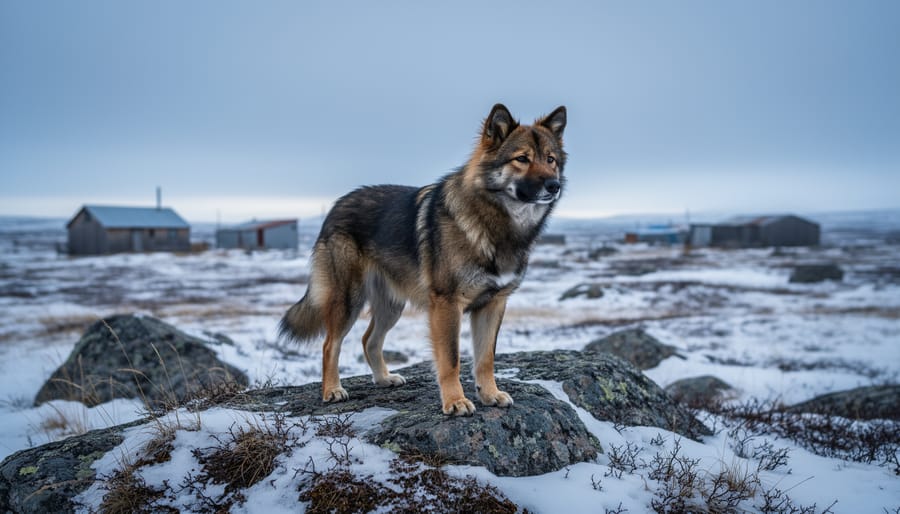
An indigenous dog is a breed or landrace that evolved naturally within a specific geographic region through centuries of adaptation to local environments, climates, and cultural practices, often developing alongside Indigenous peoples without formalized Western breeding programs. These dogs, shaped by natural selection and the needs of the communities they served, represent living heritage that reflects deep relationships between people, animals, and land.
Understanding indigenous dogs matters because these animals carry irreplaceable genetic diversity, embody traditional ecological knowledge, and serve as cultural touchstones for Indigenous communities worldwide. From the Canadian Inuit Dog that survived Arctic conditions to the Xoloitzcuintli sacred to Mesoamerican cultures, indigenous dogs challenge Western assumptions about what constitutes a “breed” and reveal how naming traditions, breeding philosophies, and animal relationships express cultural values.
The names Indigenous peoples gave these dogs offer windows into worldviews that see animals as relatives and partners rather than property. A name might honor a dog’s role in the community, describe physical traits through language that connects to the land, or acknowledge spiritual significance that Western taxonomies miss entirely. These naming practices remind us that classification systems are never neutral. They carry the assumptions and priorities of those who create them.
This article explores what defines indigenous dogs, how they differ from Western breed concepts, the cultural significance embedded in their traditional names, and why preserving both these animals and the Indigenous knowledge surrounding them strengthens biodiversity and cultural resilience in 2026. You’ll discover how Indigenous communities are reclaiming breeding practices, protecting endangered lineages, and teaching younger generations about relationships with animals that predate colonial contact by millennia.
What Indigenous Dogs Are
Indigenous dogs are canine populations that developed alongside specific Indigenous communities over hundreds or thousands of years, shaped by the environments they inhabited and the peoples who lived with them. Unlike modern commercial breeds created through controlled breeding programs for standardized traits, indigenous dogs emerged through natural selection and the practical needs of the communities they served.
These dogs evolved in particular regions, the Arctic, coastal areas, prairies, and forests, adapting to local climates, terrain, and available food sources. Their physical characteristics reflect survival requirements: thick coats for northern winters, lean builds for endurance hunting, or powerful frames for hauling. More importantly, indigenous dogs differ genetically from European breeds introduced during colonization, representing distinct lineages that developed in North America.
- Indigenous Dog
- A canine population that evolved with and remains culturally connected to a specific Indigenous nation or region, shaped by traditional lifeways rather than formal breeding standards.
- Landrace Breed
- Dogs developed through environmental adaptation and functional selection within a geographic area, exhibiting consistent traits without standardized breeding registries.
- Working Dog Partnership
- The reciprocal relationship between Indigenous communities and their dogs, characterized by mutual respect, shared labour, and spiritual connection rather than ownership.
- Cultural Keystone Species
- An animal so integral to a community’s cultural practices, stories, and survival that its presence shapes the group’s identity and worldview.
What distinguishes indigenous dogs most is their cultural role. They weren’t pets in the modern sense but full participants in community life, hunting partners, transportation providers, spiritual companions, and family members. This relationship was reciprocal: dogs contributed essential work while communities provided food, shelter, and belonging. The bond went deeper than utility, woven into ceremonies, stories, and the social fabric of Indigenous nations across what is now Canada.
How Indigenous Dog Relationships Work
Traditional Roles and Partnerships
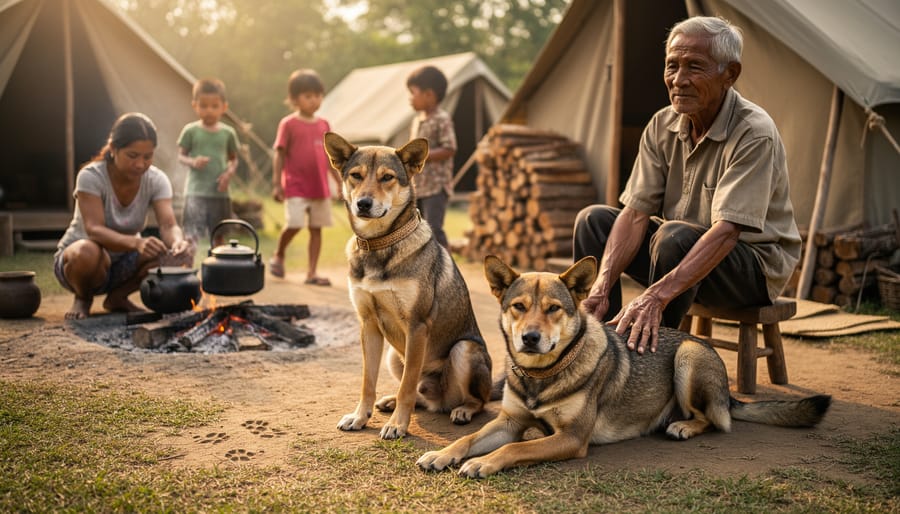
Indigenous dogs lived alongside their communities as working partners who shared in survival and daily rhythms. In northern regions, dogs pulled sleds loaded with supplies, enabled travel across frozen landscapes, and made winter hunting expeditions possible. Coastal and woodland communities relied on dogs to track game, alert hunters to nearby animals, and assist in retrieving birds or small mammals. Around camps and seasonal settlements, dogs served as watchful guardians, their keen senses detected approaching visitors or predators long before humans noticed.
Yet these roles were never purely functional. Indigenous peoples understood dogs as relatives who contributed their gifts in exchange for care, food, and belonging within the community circle. Dogs participated in the life of the camp: they slept near fires, played with children, and learned from observing human activities. Elders taught younger generations to treat dogs with kindness and gratitude, recognizing their intelligence and willingness to serve. This reciprocal relationship meant dogs were valued not as tools but as companions whose presence strengthened the community’s ability to thrive in demanding environments.
Cultural and Spiritual Significance
Within many Indigenous worldviews, dogs occupy a sacred space that extends far beyond practical companionship. They are understood as spiritual beings with their own agency, capable of perceiving realms and energies that humans cannot. Elders teach that dogs possess wisdom and serve as protectors not just of physical camps but of spiritual boundaries, alerting communities to unseen presences and maintaining balance.
In ceremonies across diverse nations, dogs participate as recognized members of the spiritual community. Some traditions honor them in seasonal ceremonies, acknowledging their role in creation stories and their place within kinship networks. Dogs appear in origin narratives as helpers who aided humans during formative times, establishing relationships of mutual obligation and respect that continue today.
The teachings dogs carry relate to loyalty, unconditional service, and the importance of community protection. Many Indigenous languages contain specific terms describing dogs’ spiritual roles, reflecting sophisticated understandings of their nature. When a dog passes, communities may conduct ceremonies recognizing their spirit’s journey, honoring the relationship and acknowledging grief as legitimate and profound. This spiritual dimension transforms human-dog relationships into sacred partnerships that reinforce cultural values and strengthen connections between the physical and spiritual worlds.
Categories of Indigenous Dogs Across Canada
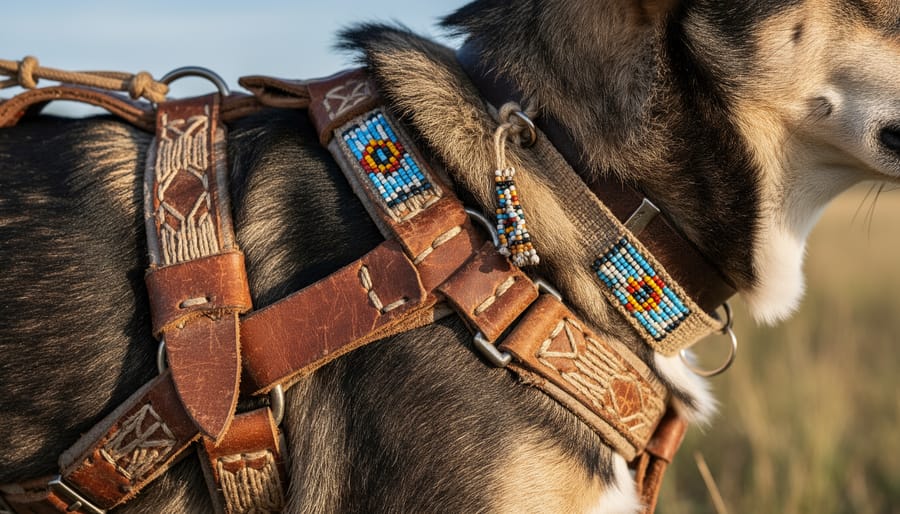
Canada’s indigenous dogs reflect the vast geographic and cultural diversity of First Nations, Inuit, and Métis peoples across the country. These canines developed distinct characteristics suited to their regions, from Arctic sea ice to boreal forests and prairie grasslands. Understanding these categories requires recognizing both historical breeds and ongoing efforts to preserve and reclaim indigenous dog populations.
Historical Breeds
Several indigenous dog breeds once thrived across Canada but faced population collapse or extinction following European contact. Disease, cultural disruption, and deliberate culling campaigns devastated many populations. The Tahltan Bear Dog of northern British Columbia, valued by the Tahltan people for hunting large game, disappeared by the mid-20th century despite its legendary courage and agility. The Salish Wool Dog, kept by Coast Salish peoples specifically for its thick, woolly coat used in traditional weaving, was lost when European sheep made wool more readily available.
Some historical breeds persist in memory and oral traditions, though no living descendants remain:
- Tahltan Bear Dog, small, fearless hunting companion from northern BC, extinct by 1960s
- Salish Wool Dog, white-coated breed raised for wool by Coast Salish weavers, lost in 1800s
- Hare Indian Dog, lean, fox-like canine of the Sahtu Dene, disappeared in early 1900s
- Labrador Husky, debated whether distinct indigenous breed or colonial mix, still present but contested
Contemporary Indigenous Dogs
The Canadian Inuit Dog (also called Qimmiq) stands as the most recognized surviving indigenous breed. Developed by Inuit communities across the Arctic over thousands of years, these powerful dogs hauled sleds, hunted seals, and provided warmth in extreme cold. Government-sponsored culls in the 1950s-70s nearly destroyed the population, but Inuit-led recovery programs have brought the breed back from fewer than 200 animals.
Other indigenous dogs continue alongside their communities, though formal breed recognition remains complicated by Western kennel club standards that don’t align with traditional Indigenous approaches to animal companionship.
Recovering and Contested Populations
Some breeds occupy uncertain territory. Breeding programs attempt to recreate lost breeds using genetic research and historical accounts, while others work to strengthen remaining populations. These efforts raise questions about authenticity, cultural authority, and who decides what constitutes an indigenous dog. Communities themselves increasingly lead these conversations, asserting that cultural knowledge, not external breed standards, should guide preservation work.
Indigenous Dog Naming Traditions and Their Meaning
Names as Cultural Expression
In many Indigenous communities, a dog’s name is never arbitrary, it’s a deliberate act of cultural transmission. Names often describe what someone noticed first: a puppy’s crooked ear, its habit of stealing bannock, the way it howls at dawn. This observational practice mirrors how many Indigenous languages construct meaning through verbs and descriptive elements rather than fixed labels. A dog called “Runs-With-Tail-Up” in Cree or “Always-Hungry” in Anishinaabemowin tells a story every time someone calls it.
These names preserve language in daily use. When Elders name dogs in their traditional tongue, children hear and repeat those words dozens of times each day, learning pronunciation, grammar, and humor organically. A dog named “Mischief” in Inuktitut or “Shadow-Walker” in Gitxsan becomes a walking vocabulary lesson and a source of shared laughter when the name proves prophetic.
Names also encode values. Communities that prize cooperation might name dogs after helpful behaviors; those emphasizing spiritual connection might reference natural phenomena or ancestor stories. In some nations, certain names are reserved for dogs with specific roles, hunting companions receive different names than those who guard fish camps.
The practice resists cultural erasure. When colonial systems forced English names on Indigenous children, communities often maintained their languages through what seemed mundane: calling dogs, describing weather, talking about the land. Dog names became small acts of sovereignty.
Contemporary Naming Practices
Today’s Indigenous dog naming practices demonstrate how communities keep traditions alive while embracing modern realities. Many families now choose names that honor both ancestral languages and contemporary experiences, a dog might be called “Pimicihkan” (food provider) in Cree or “Nanook” (polar bear) in Inuktitut, names that carry traditional meanings into present-day homes.
Youth play a vital role in revitalizing these practices. Young people learning Indigenous languages often practice by naming dogs, creating meaningful connections to words they’re reclaiming. Language nests and immersion programs incorporate animal naming as a teaching tool, where children learn not just vocabulary but the cultural logic behind names, how observation, humor, and respect shape what we call our four-legged relatives.
Social media has become an unexpected ally in cultural pride. Indigenous youth share photos of their dogs with traditional names, explaining meanings and stories to wide audiences. These posts celebrate heritage while normalizing Indigenous languages in digital spaces, showing that cultural practices evolve without losing their essence.
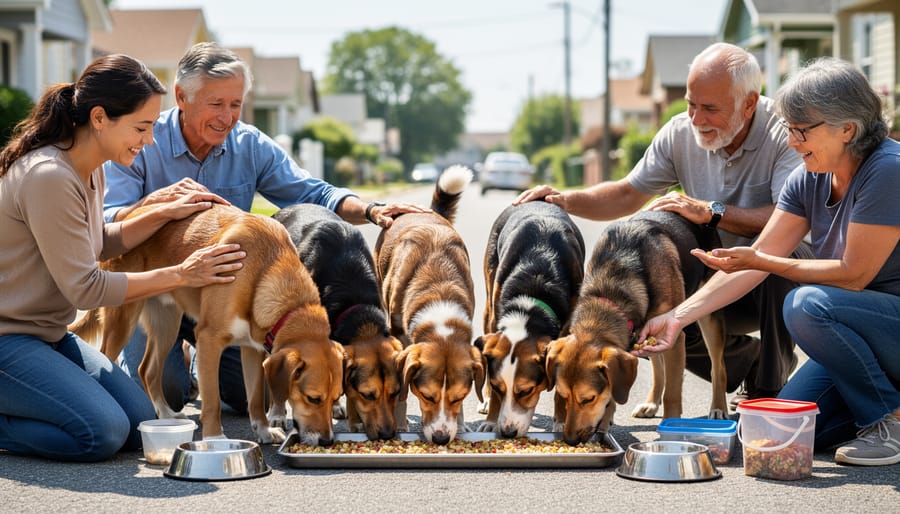
Community-led initiatives blend dog care with cultural education. Programs teaching responsible pet ownership often incorporate traditional knowledge about human-animal relationships alongside veterinary care, creating space for Elders to share naming stories while addressing contemporary animal welfare needs. This integration of old and new strengthens both cultural continuity and community engagement ensuring naming traditions remain living practices rather than museum artifacts.
Where Indigenous Dog Knowledge Is Applied Today
Indigenous dog knowledge thrives today through community-led initiatives that interweave cultural education, animal welfare, and language revitalization. Across Canada, First Nations, Métis, and Inuit communities are designing programs that honor traditional relationships with dogs while addressing contemporary challenges like responsible care, veterinary access, and cultural continuity.
Cultural education programs bring Elders and knowledge keepers together with Indigenous youth programs to transmit teachings about dogs’ roles in community life, ceremonial protocols, and naming traditions. Some schools have integrated indigenous dog history into curriculum units, inviting students to interview Elders about historical dog partnerships and document stories in their ancestral languages. These efforts support both cultural pride and language preservation.
Active initiatives in 2026 include:
- Community-based dog care workshops teaching traditional and veterinary knowledge side by side
- Mobile veterinary clinics partnering with remote communities to provide accessible animal health services
- Language documentation projects recording dog-related vocabulary and oral histories
- Youth mentorship programs pairing young people with Elders to learn about animal kinship and responsible guardianship
- Collaborative research partnerships respecting Indigenous data sovereignty while studying indigenous dog genetics and health
Breed preservation work focuses on surviving indigenous dog populations, with communities leading conservation efforts that respect cultural protocols and resist commercialization. Several nations have established registries and breeding programs guided by traditional selection principles rather than Western kennel standards.
Wellness initiatives recognize the mental health and social benefits of dog companionship, particularly for youth and Elders. Programs connecting isolated community members with canine companions have shown measurable improvements in well-being. These efforts embody youth-led change with young people designing campaigns that blend traditional values with contemporary advocacy.
Philanthropic partnerships support these initiatives through flexible funding that respects community autonomy. Successful collaborations follow the 7 C’s model principles, centering Indigenous leadership and long-term relationship building rather than imposing external priorities. National animal welfare organizations increasingly work alongside communities as invited partners, learning protocols and contributing resources without directing programs.
Success Stories: Communities Leading Indigenous Dog Initiatives
Across Canada, Indigenous communities are reclaiming their relationships with indigenous dogs through initiatives that weave together cultural preservation, animal welfare, and community healing.
In Nunavut, the Qikiqtani Inuit Association launched the Qimmiq Preservation Project in 2019 to protect the Canadian Inuit Dog (qimmiq) from extinction. The program combines traditional breeding knowledge with veterinary care, while elders teach youth how to name dogs using Inuktitut descriptors of behavior and appearance. Young participants learn to observe dogs carefully before choosing names like Sakku (harnesses well) or Tuktuvak (looks like a caribou), revitalizing both the breed and linguistic traditions. The project has registered over forty new litters since inception and created pathways for cultural transmission between generations.
The Navajo Nation’s Kinship Canine Project addresses animal welfare through a cultural lens. Rather than imposing Western shelter models, the initiative works with families to strengthen traditional relationships between people and dogs. Community workshops explore Diné teachings about animals, encourage naming practices that reflect clan affiliations and spiritual connections, and provide veterinary support that respects cultural protocols. Participants report renewed pride in caring for dogs as relatives, not just pets, reducing abandonment rates while deepening cultural identity.
In northern Ontario, Aroland First Nation partnered with a regional animal welfare organization to develop a youth-led dog care program. Students research traditional sled dog practices, interview knowledge keepers about naming customs, and create educational materials in Ojibwe and English. The initiative has sparked broader interest in language revitalization while addressing contemporary animal welfare needs through culturally grounded solutions.
Common Questions About Indigenous Dogs
What makes indigenous dogs different from other dog breeds?
Indigenous dogs developed naturally alongside specific communities over centuries, shaped by regional environments and cultural relationships rather than selective breeding for standardized appearance. They’re distinguished by their deep integration into Indigenous cultures, traditional roles, and the reciprocal partnerships they formed with their human communities.
How can I respectfully support indigenous dog preservation efforts?
Listen to and follow the leadership of Indigenous communities who are directing these initiatives. Support Indigenous-led organizations financially, learn about charity definitions to understand which groups genuinely serve Indigenous priorities, and amplify Indigenous voices sharing their knowledge about these animals.
Are there protocols I should follow when discussing indigenous dogs?
Approach the topic with respect for Indigenous knowledge holders and avoid appropriating cultural practices like traditional naming systems. Recognize that Indigenous communities are the authorities on their own relationships with these animals, and don’t speak on behalf of communities or present external perspectives as equivalent to Indigenous knowledge.
How do indigenous dogs connect to broader Indigenous knowledge systems?
Dogs are part of interconnected teachings about land stewardship, kinship relationships, language preservation, and reciprocity with the natural world. The knowledge transmitted through relationships with indigenous dogs reflects core values that appear across many aspects of Indigenous cultures, from ecological practices to governance structures.
These questions touch on concerns many people have when first learning about indigenous dogs and the cultural traditions surrounding them. The answers point toward respectful engagement while acknowledging the limits of what non-Indigenous people should claim to know or teach. Indigenous communities continue to hold and share their own expertise about these relationships, and that authority deserves recognition in any discussion of indigenous dogs and naming practices.
Indigenous dogs represent far more than animal companionship, they embody living threads connecting communities to ancestral knowledge, land-based practices, and cultural identity. When Indigenous peoples name their dogs using traditional languages and observational methods, they engage in active cultural continuity, passing forward worldviews that honor reciprocal relationships with all beings. These naming practices are acts of resilience, language revitalization, and community storytelling that deserve recognition and support.
Preserving indigenous dog heritage and the cultural traditions surrounding them requires sustained collaboration. Philanthropic organizations can make meaningful impact by funding Indigenous-led education programs, supporting breed preservation initiatives developed by communities themselves, and amplifying Indigenous voices in conversations about animal welfare and cultural heritage. Policy makers can ensure regulatory frameworks respect Indigenous knowledge systems and community autonomy over their cultural practices.
For individuals committed to reconciliation, the path forward involves listening first. Respect Indigenous communities’ leadership in determining how their relationships with dogs are discussed, preserved, and celebrated. Support organizations working directly with Indigenous nations on cultural education and animal welfare. Advocate for resources that strengthen Indigenous youth connections to traditional knowledge, including naming practices and animal relationships.
These partnerships matter because they honor Indigenous peoples as knowledge keepers and decision makers. When we support Indigenous-led initiatives around indigenous dogs and naming traditions, we contribute to cultural vitality that benefits entire communities. The work continues, and respectful collaboration makes it stronger.