United Way Community Impact: How One Organization Transforms Lives Across Canada

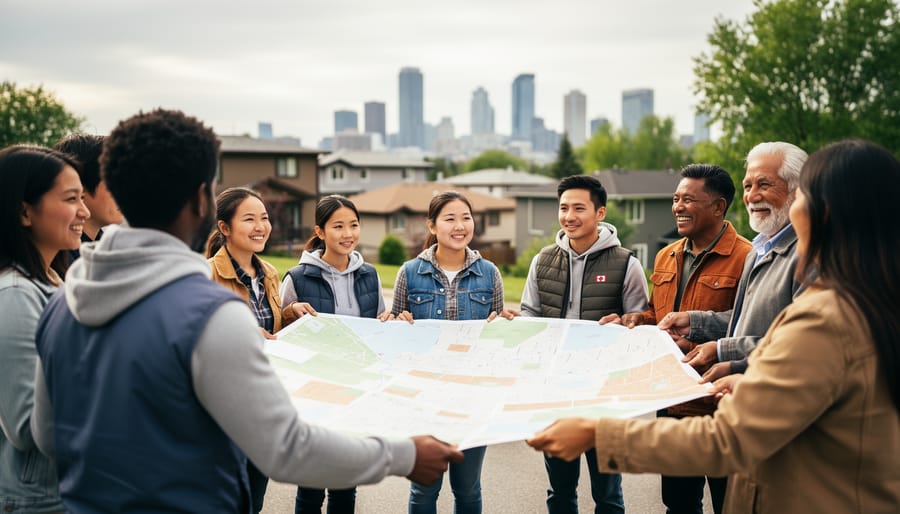
United Way creates community impact by mobilizing networks of donors, volunteers, and local organizations to address root causes of social issues through coordinated, data-driven interventions that traditional charity models cannot achieve alone. Rather than simply distributing funds to individual programs, United Way orchestrates collective action across sectors, bringing together governments, businesses, nonprofits, and community members to tackle complex challenges like homelessness, food insecurity, and educational gaps. This collaborative approach generates measurable outcomes because it attacks problems from multiple angles …

7 Volunteer Opportunities in Vancouver, WA for Community Impact in 2026

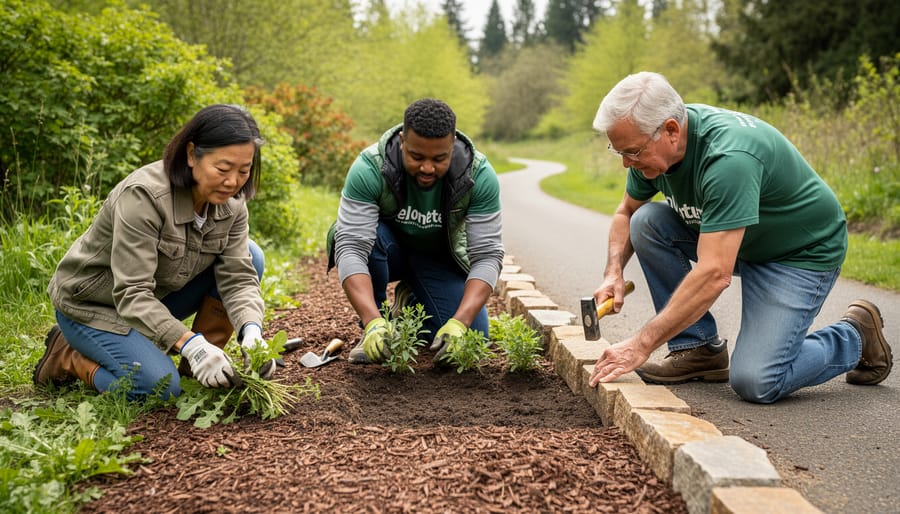
Vancouver, Washington offers dozens of hands-on volunteer opportunities spanning youth mentorship, environmental restoration, park stewardship, and water conservation programs that welcome individuals, families, and groups of all ages and abilities. Whether you can commit to a long-term mentoring relationship with a young person who has experienced trauma or prefer flexible, drop-in projects like trail maintenance and storm drain education, the city’s volunteer ecosystem provides accessible entry points for every schedule and skill level. Organizations like Great Life Mentoring, established in 2000 to serve children ages 9-16 in …

How Youth Involved in Social Change Are Transforming Canadian Communities

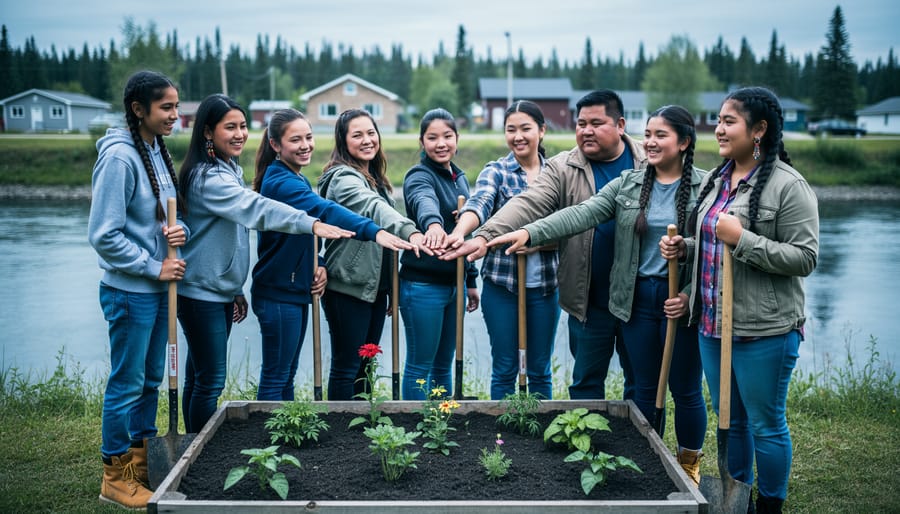
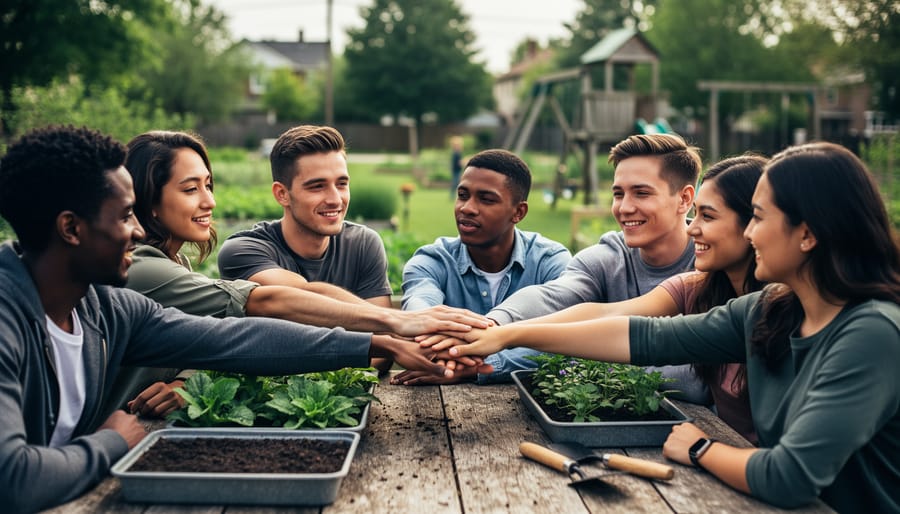
Youth involved in social change initiatives bring fresh perspectives, cultural fluency, and authentic community connections that drive meaningful impact across Canada. When organizations engage young people as genuine partners rather than passive beneficiaries, projects gain momentum, relevance, and sustainability that purely adult-led efforts often lack.
The evidence is clear. Programs rooted in youth leadership demonstrate higher retention rates, stronger community buy-in, and more innovative solutions to complex challenges. This holds especially true in Indigenous communities, where youth involvement bridges traditional knowledge…

Why Young Leaders Need the 7 C’s Model to Create Lasting Community Change

The 7 C’s Social Change Model provides a proven framework for developing socially responsible leaders through seven interconnected values: Consciousness of Self, Congruence, Commitment, Collaboration, Common Purpose, Controversy with Civility, and Citizenship. Originally developed in 1994 by the Higher Education Research Institute at UCLA, this model has become particularly powerful for youth-led initiatives because it recognizes that meaningful social change emerges from individual growth, group process, and community action working together.
For educators and youth program coordinators working with young leaders today, the …

What Canadian Charities Really Are (And Why the Definition Matters for Indigenous Communities)

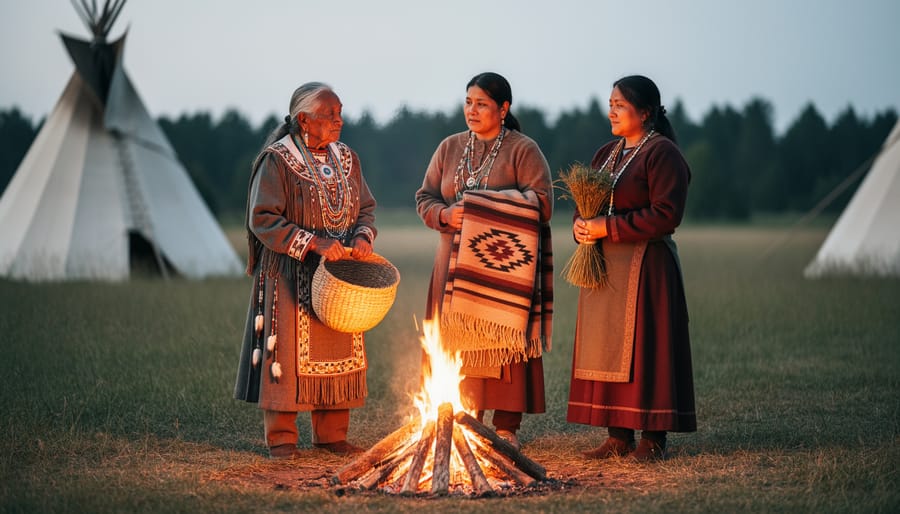
Understanding what legally qualifies as a charity in Canada matters whether you’re planning to donate, launch a community initiative, or access funding for programs that serve your community. The Canada Revenue Agency defines charities through four categories: relief of poverty, advancement of education, advancement of religion, and other purposes beneficial to the community. Yet this framework, established in English common law centuries ago, doesn’t always align naturally with Indigenous approaches to community support, traditional knowledge systems, and holistic wellbeing.
For Indigenous communities across Canada in …

How Philanthropy Is Transforming the Future for Indigenous Youth Across Canada

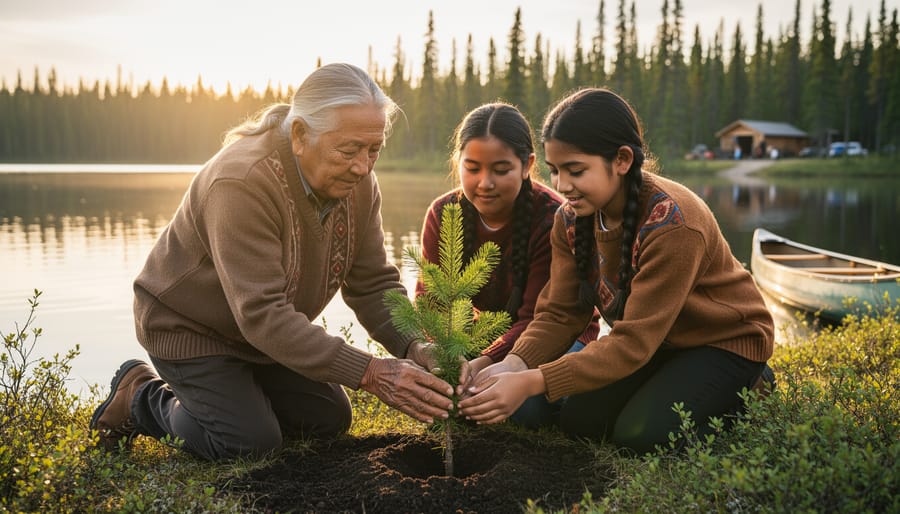
Indigenous youth represent the fastest-growing demographic in Canada, yet they face disproportionate barriers to education, employment, and wellbeing. Philanthropic organizations hold immense potential to shift these realities—but only when their approaches honor Indigenous self-determination, culture, and community wisdom.
Center Indigenous voices in every decision. Effective philanthropy begins by asking Indigenous youth and communities what they need rather than imposing external solutions. Successful initiatives consistently partner with Indigenous-led organizations who understand local contexts, cultural protocols, and the …

How Indigenous Communities Are Turning Online Gambling Revenue Into Real Change

Recognize that Indigenous communities across Canada are exploring innovative revenue models that align with cultural values while supporting self-determination. Revenue from regulated gaming, including bitcoin casino slots and other platforms, now presents opportunities for Indigenous-led philanthropy when structured through culturally responsive frameworks that prioritize community benefit and harm reduction.
Establish clear governance structures that center Indigenous leadership in decision-making processes for any philanthropic partnerships involving gaming revenue. This means …

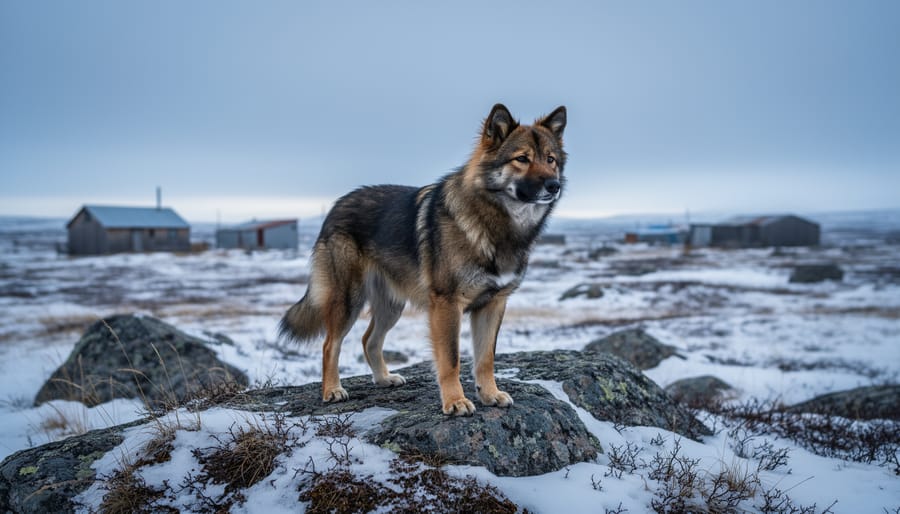
The Rich Tapestry of Indigenous Names for Dogs

Whether you own an American or Canadian breed dog, naming your pets shouldn’t be taken lightly. Undoubtedly, your furry friends deserve the best names. Luckily, your choices are as vast and diverse as the many cultures that make up the world. Among these, the Native American culture has a wealth of meaningful and evocative names. Naming a dog isn’t just a means of identification. It could be a cultural expression and reflect heritage, tradition, and values. Thus, indigenous names for…

An Action Framework For Children And Youth In Canada

Another initiative program that has worked closely with the youths of Canada to unite the communities is the National Alliance for Children and Youth (NACY). This program aims to connect diverse non-profit organizations to a collaborative network system with the goal of boosting the kids’ and youth’s well-being. This is achieved through offering the national leadership and skills, linking practice, mobilizing, and performing research about policy development.
In collaboration with its members and other funders, the National Alliance for Children and …

Journey of Reciprocity

The entire Circle on Philanthropy and Aboriginal Peoples in Canada aims to support the conversation among the Inuit communities, private and public foundations, corporate philanthropy programs, and charitable organizations.
This article explains the Circle’s origins and why philanthropic sectors have dedicated and will continue dedicating their resources to reconciliation. This is where one gets to know what the Indigenous people would require in order to rekindle their traditions of social resilience. The Circle also plays a massive role in enabling people…