
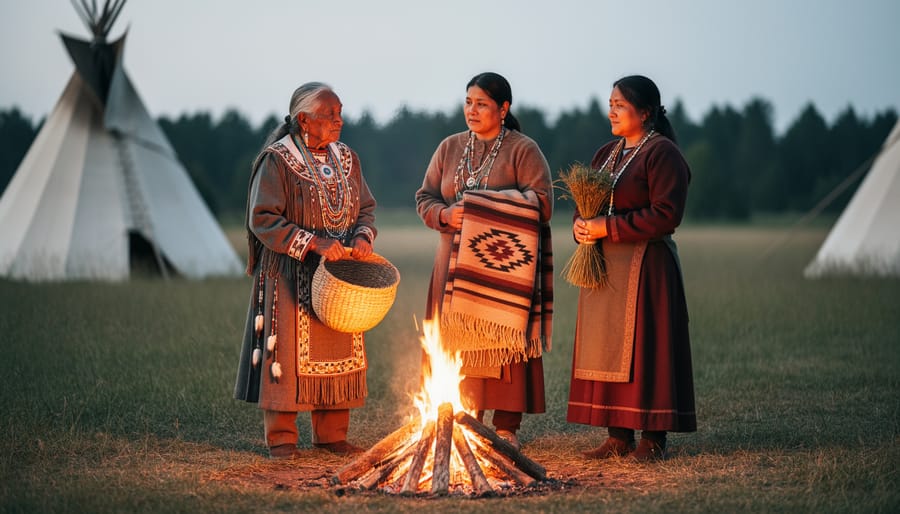
Understanding what legally qualifies as a charity in Canada matters whether you’re planning to donate, launch a community initiative, or access funding for programs that serve your community. The Canada Revenue Agency defines charities through four categories: relief of poverty, advancement of education, advancement of religion, and other purposes beneficial to the community. Yet this framework, established in English common law centuries ago, doesn’t always align naturally with Indigenous approaches to community support, traditional knowledge systems, and holistic wellbeing.
For Indigenous communities across Canada in 2026, navigating charitable status presents both opportunities and obstacles. The legal requirements for governance structures, expenditure quotas, and activities can clash with consensus-based decision-making, ceremony, and land-based practices. When an Indigenous organization seeks charitable registration to access funding and issue tax receipts, it often must translate culturally-rooted programs into categories designed without Indigenous worldviews in mind.
Recent progress shows what’s possible when systems adapt. Several Indigenous-led charities have successfully secured registration by demonstrating how traditional practices fit within CRA categories. Language revitalization programs qualify under education advancement. Healing lodges and wellness initiatives meet community benefit tests. Cultural camps that teach youth hunting, gathering, and traditional skills have gained recognition for their educational value.
The charitable sector is gradually shifting. Philanthropic organizations are increasingly supporting Indigenous-led initiatives with flexible funding that respects community governance. Policy discussions in 2026 acknowledge that charity law should evolve to accommodate diverse cultural approaches to serving the public good.
This article examines Canada’s charity definition, its practical implications for donors and organizations, and how Indigenous communities are both working within and reshaping this legal landscape to support their self-determined priorities.
The Legal Framework: How Canada Defines Charities
In Canada, an organization can’t simply declare itself a charity. It must meet specific legal criteria set by the Canada Revenue Agency (CRA), which draws on centuries-old common law principles rooted in the 1601 Statute of Charitable Uses. This English law established the foundation that still shapes how charities operate today, defining what counts as charitable work versus other well-meaning activities.
The CRA recognizes four charitable purpose categories that an organization must fit into to receive and maintain registered charity status. These categories might seem straightforward at first glance, but their interpretation determines which groups receive tax advantages and which don’t, affecting everything from community programs to donor decisions.
- Relief of Poverty
- Programs that help people who lack adequate income, housing, or basic necessities. Examples include food banks, homeless shelters, and subsidized housing initiatives serving low-income Canadians.
- Advancement of Education
- Activities that develop knowledge, skills, or cultural understanding through formal or informal means. This covers schools, literacy programs, museums, and research initiatives that benefit the public.
- Advancement of Religion
- Organizations promoting religious worship, teaching, or practice. Churches, mosques, temples, and interfaith dialogue programs typically qualify under this category.
- Other Purposes Beneficial to the Community
- A catch-all for charitable work that doesn’t fit the first three categories but still benefits society. Environmental conservation groups, amateur sports organizations, and community health programs often fall here.
For an organization to receive charitable registration in 2026, it must demonstrate that all its purposes and activities fit exclusively within one or more of these categories. The organization also needs to provide public benefit, meaning its work must be available to a broad segment of the community rather than a private group. A family foundation that only helps relatives, for instance, wouldn’t qualify.
The CRA also requires that charities devote substantially all their resources to charitable activities, generally interpreted as at least 90 percent. Organizations can engage in some related business activities or political advocacy, but these must remain clearly secondary to their charitable purposes. A charity can advocate for policy changes related to poverty, for example, but it can’t make political campaigning its primary focus.
This framework creates clarity in many cases. A soup kitchen clearly relieves poverty. A university clearly advances education. Yet these categories were developed in a different era, reflecting the social priorities and organizational models of 17th-century England rather than the diverse communities and holistic approaches that characterize Canada in 2026. That historical foundation, while providing legal certainty, can create unexpected barriers for organizations whose work doesn’t fit neatly into colonial legal boxes.
Why This Definition Creates Challenges for Indigenous Organizations
Cultural Protocols vs. Legal Requirements
# Cultural Protocols vs. Legal Requirements
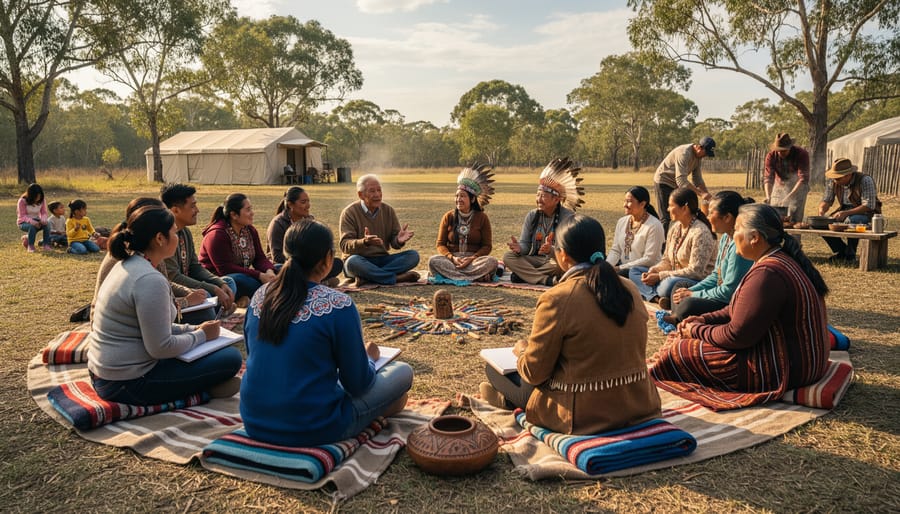
Many Indigenous communities make decisions through consensus processes involving elders, hereditary leaders, and community members, a practice that can span weeks or months to ensure proper consultation and cultural protocol. The CRA, however, expects charities to operate with boards that hold regular formal meetings, maintain detailed written minutes, and demonstrate a clear decision-making chain. This creates tension: traditional governance might involve oral commitments, seasonal gatherings, and leadership structures that don’t translate into standard corporate board models.
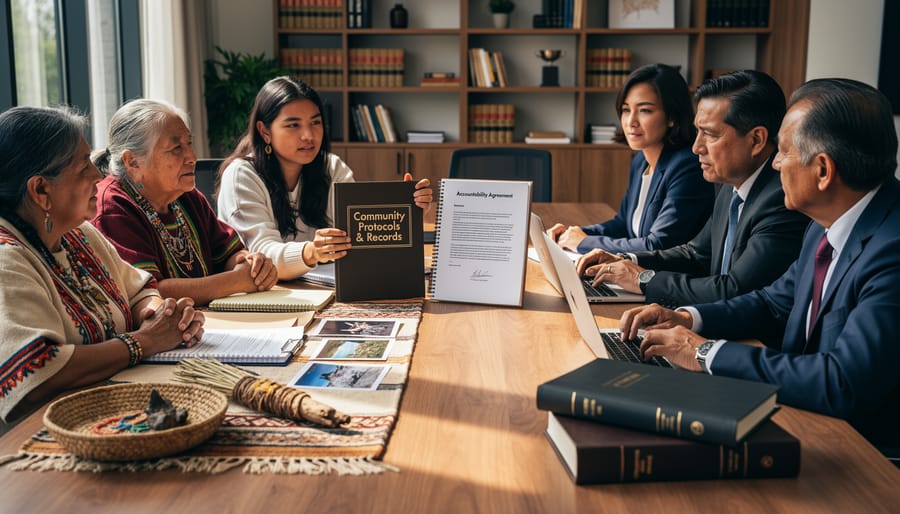
The accountability requirements pose similar challenges. Indigenous organizations often prioritize transparency to their communities through storytelling, feasts, and face-to-face reporting, methods that fulfill cultural obligations but don’t generate the paper trail the CRA requires. When an organization conducting ceremony as part of healing work must categorize every expense in rigid budget lines, or when community consensus replaces formal votes, the gap between what charities must demonstrate and how Indigenous governance actually functions becomes stark.
Some organizations navigate this by maintaining dual systems: traditional protocols for community accountability alongside formal structures for legal compliance. Others partner with established charities that handle the administrative requirements while respecting Indigenous leadership. The extra administrative burden, though, often diverts limited resources from actual community work, a cost that reflects how charity law was designed without Indigenous governance models in mind.
Holistic Approaches and the Four-Category Box
Indigenous communities have traditionally approached wellbeing as an interconnected whole rather than separate categories. A single program might weave together language preservation, traditional skills training, spiritual ceremonies, land-based activities, and economic development. This holistic model reflects how Indigenous cultures understand health, education, and community strength as inseparable elements of a thriving society.
The Canada Revenue Agency’s four charitable purposes, however, require organizations to demonstrate they primarily serve one specific category: poverty relief, education, religion, or another recognized community benefit. When an Indigenous youth program combines Cree language instruction with cultural ceremonies, traditional harvesting skills, and entrepreneurship training, it becomes difficult to position within this framework. Which purpose is “primary” when the community sees all these elements as equally essential to youth development?
This creates practical headaches during the application process. CRA reviewers trained in Western categorical thinking may struggle to understand why separating the spiritual components from the educational ones would undermine the program’s effectiveness. An Elder-led initiative that simultaneously addresses mental health, cultural identity, food security, and intergenerational knowledge transfer might be flagged for lacking a clear charitable purpose, even though the community recognizes it as fundamental to collective wellbeing.
Some organizations respond by artificially emphasizing whichever charitable purpose seems most likely to satisfy reviewers, then downplaying or separating out other integrated elements. This strategy can secure registration but often requires Indigenous groups to present their work through a lens that doesn’t reflect how they actually operate or how their communities define success. The result is a system where obtaining charitable status sometimes means describing your work in ways that don’t honour its true nature.

Charities Working Successfully Within (and Around) the System
Several Indigenous organizations across Canada have found creative ways to meet CRA requirements while staying rooted in their cultural values and community priorities. These success stories offer practical lessons for other groups navigating the charitable registration process.
The Native Women’s Association of Canada (NWAC) demonstrates how to frame cultural work within the advancement of education category. Rather than registering programs as general cultural preservation, NWAC structures initiatives as educational programs that happen to incorporate traditional teachings, ceremony, and Indigenous knowledge systems. Their charitable activities explicitly advance learning about Indigenous rights, health, governance, and social issues, making the educational purpose clear to regulators while the delivery methods remain culturally grounded. This approach has allowed NWAC to maintain community-driven programming while meeting the legal definition that CRA requires.
In British Columbia, the First Nations Health Authority took a different path by partnering with established health charities before eventually securing its own registration. The organization initially operated through fiscal sponsorship arrangements with registered charities, which provided immediate credibility with funders and allowed programs to issue tax receipts while the longer registration process unfolded. This stepping-stone approach gave them time to build the governance documentation and track record that CRA expects, without delaying urgent health programs in Indigenous communities.
The Makwa Housing Corporation in Saskatchewan shows how housing initiatives can qualify under poverty relief. Instead of simply building homes, Makwa structured its charitable objects around relieving poverty through stable housing, alongside wraparound supports like financial literacy and employment connections. The organization maintains its holistic, Indigenous-centered approach while framing everything through the lens of addressing economic disadvantage, which fits squarely within established charity law.
Some groups have deliberately chosen to work around the system rather than within it. The Gord Downie and Chanie Wenjack Fund operates as a registered charity but partners extensively with Indigenous-led initiatives that are not registered, essentially acting as a bridge. The Fund raises money under its charitable status, then flows resources to community projects through grants and partnerships, allowing grassroots groups to access charitable donations without taking on the administrative burden and cultural compromises that registration can require.
These examples share common threads. Each organization found ways to translate Indigenous priorities into language that fits CRA categories without abandoning their core mission. They built strong governance structures that respected both community accountability and legal requirements. Most importantly, they stayed patient through lengthy processes and sought advice from lawyers and accountants experienced in Indigenous charitable work, recognizing that registration is a marathon, not a sprint.
What Donors and Community Leaders Need to Know in 2026
# Understanding Canadian Charities: A 2026 Guide for Donors and Community Leaders
Whether you’re considering where to direct your donations or exploring registration options for your organization, navigating the charitable landscape requires practical knowledge of how the system works today.
## For Donors: Verifying Legitimate Charities
The Canada Revenue Agency maintains a searchable database of all registered charities at canada.ca/charities-listings. Before donating, verify an organization’s registration number and check its most recent T3010 filed return. This public document reveals how the charity allocates funds between programs, administration, and fundraising, offering transparency into operational priorities.
Legitimate charities issue official donation receipts showing their full legal name and registration number. These receipts enable tax deductions, but more importantly, they confirm you’re supporting a CRA-recognized entity. Watch for red flags: pressure to donate immediately, requests for cash-only contributions, or promises of unusually high tax benefits.
For Indigenous-led initiatives specifically, recognize that some highly effective organizations operate without charitable status by choice. They may work through fiscal sponsors, partner with registered charities, or structure as non-profits without registration. A community group’s impact isn’t measured solely by CRA registration, cultural legitimacy, community endorsement, and demonstrated outcomes matter equally.
## For Community Organizations: When to Pursue Charitable Status
Applying for charitable registration makes strategic sense when your organization needs to issue tax receipts, access certain government grants restricted to registered charities, or build donor confidence through official recognition. The process typically takes 6-12 months and requires legal incorporation, governing documents that align with CRA requirements, and demonstrated public benefit.
However, registration isn’t always the right path. Consider these alternatives before committing resources to the application process:
Operating as a non-profit corporation without charitable status reduces reporting requirements while still providing legal structure and liability protection. You forfeit tax-receipting ability but gain operational flexibility, particularly valuable for organizations whose work doesn’t fit neatly into the four charitable purpose categories.
Fiscal sponsorship arrangements let community groups deliver programs under an existing charity’s registration umbrella. The sponsor handles CRA compliance and issues receipts while your initiative maintains program control. This works well for pilot projects, culturally-specific programs, or organizations testing viability before pursuing independent registration.
Some Indigenous communities establish community foundations or work through regional Indigenous charities designed specifically to accommodate traditional governance and holistic programming approaches. These existing structures understand cultural protocols and can navigate CRA requirements while respecting community decision-making processes.
## Key Considerations Before Applying
Registration creates ongoing obligations: annual financial filings, governance standards, and restrictions on political activities. Your organization must maintain books and records, hold regular board meetings, and ensure activities stay within approved charitable purposes. Small organizations sometimes find these requirements consume resources better spent on programs.
The CRA’s Charities Directorate offers pre-application consultations. Use this service to discuss whether your proposed structure and activities fit charitable requirements before investing in the full application. This conversation can reveal potential issues early and save considerable time.
For community leaders balancing cultural integrity with regulatory requirements, the choice isn’t binary. Many successful models blend registered charity elements with traditional structures, creating hybrid approaches that serve both community needs and legal obligations.
Moving Forward: Calls for Reform and Reconciliation in Charity Law
The conversation around reforming Canada’s charity law has gained meaningful momentum in 2026, driven by Indigenous advocates, legal experts, and policymakers who recognize that the current framework doesn’t adequately reflect the diversity of charitable work happening across the country.
The Truth and Reconciliation Commission’s Calls to Action included specific recommendations affecting how charities operate, particularly Call to Action 92, which urges the corporate sector and charitable foundations to adopt the United Nations Declaration on the Rights of Indigenous Peoples as a reconciliation framework. While not directly rewriting charity law, this call has prompted foundation leaders and policymakers to examine how current definitions and requirements may perpetuate colonial structures that limit Indigenous self-determination in the charitable sector.
Several concrete reform discussions are underway. The Canada Revenue Agency has begun consultations with Indigenous organizations to understand how registration requirements create barriers. These conversations focus on flexibility around governance structures, recognition of traditional decision-making processes, and acknowledgment that community benefit can be defined through Indigenous frameworks, not solely Western legal categories. Some legal scholars and Indigenous leaders are proposing a parallel recognition system that would allow Indigenous-led organizations to operate as charities under their own governance protocols while maintaining public accountability.
The philanthropic sector itself is evolving faster than the law. Major foundations have established Indigenous-led funding circles that provide resources to community initiatives regardless of registered charity status. The First Nations Finance Authority and similar bodies are exploring alternative structures that provide tax benefits to donors while respecting Indigenous jurisdiction and authority.
Reform efforts are bringing together unlikely partners. Indigenous governance experts, charity lawyers, CRA officials, and community leaders are meeting through roundtables and working groups to identify practical changes that could be implemented without wholesale legislative overhaul. These collaborative spaces are generating proposals such as expanding the definition of “charitable purposes” to explicitly include Indigenous cultural preservation and land-based practices, and creating streamlined pathways for Indigenous organizations that demonstrate community accountability through their own protocols.
The path forward requires patience, but the dialogue happening now is fundamentally different from past conversations. Indigenous voices are leading, not consulting. The question is no longer whether Canada’s charity definition needs to accommodate Indigenous world views, but how quickly meaningful change can happen.
Understanding how Canada defines charities isn’t just an academic exercise, it’s a practical tool that shapes real outcomes for communities and donors alike. While the current legal framework carries colonial roots and presents genuine obstacles for Indigenous organizations, knowledge of these rules helps everyone navigate the system more effectively. Donors gain clarity about where their contributions go and how charities must operate. Community leaders can weigh whether pursuing charitable status aligns with their values and governance structures, or whether alternative models better serve their mission.
The encouraging reality is that change isn’t hypothetical. Indigenous organizations across the country have proven it’s possible to maintain cultural integrity while working within existing charity requirements, and these successes provide blueprints for others. More importantly, conversations about reforming charity law are happening now, driven by Indigenous voices, Truth and Reconciliation Commission recommendations, and growing recognition that Canada’s charitable sector must reflect the diversity it serves.
Progress requires patience, but the trajectory is clear. Each successful Indigenous charity, every collaborative partnership between traditional and Western governance approaches, and continued advocacy for legal reform moves Canada closer to a charitable sector that honours multiple world views. The definition of charities will continue evolving, shaped by those willing to engage with both its current limitations and its future possibilities. That work benefits everyone committed to building a more equitable and inclusive Canada.