
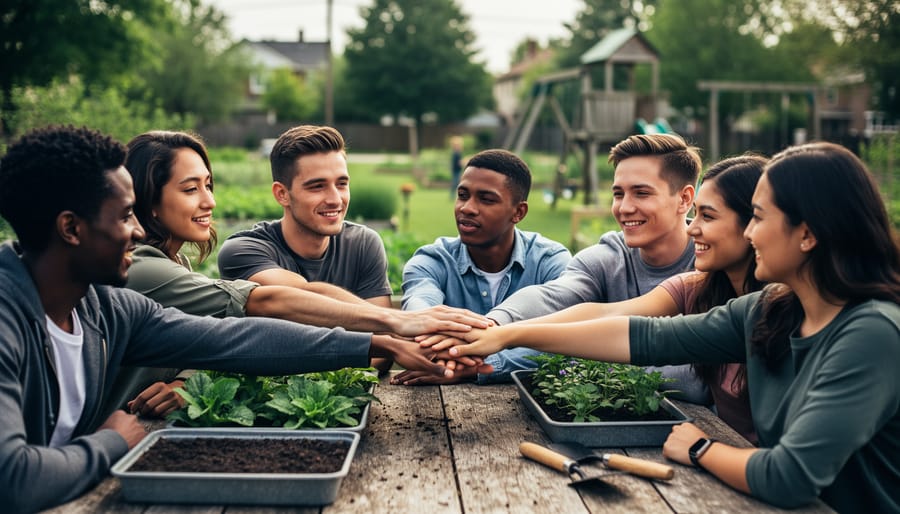
The 7 C’s Social Change Model provides a proven framework for developing socially responsible leaders through seven interconnected values: Consciousness of Self, Congruence, Commitment, Collaboration, Common Purpose, Controversy with Civility, and Citizenship. Originally developed in 1994 by the Higher Education Research Institute at UCLA, this model has become particularly powerful for youth-led initiatives because it recognizes that meaningful social change emerges from individual growth, group process, and community action working together.
For educators and youth program coordinators working with young leaders today, the model offers something rare: a comprehensive yet flexible approach that respects diverse cultural perspectives while building concrete leadership capabilities. The framework doesn’t prescribe a single path to leadership. Instead, it invites young people to start with self-awareness, align their actions with their values, and build collaborative relationships that honor different viewpoints.
This approach resonates deeply with Indigenous leadership traditions, where collective well-being, respect for diverse voices, and long-term commitment to community have always been central. Many Indigenous communities across Canada are adapting the 7 C’s model within youth programs, finding that its emphasis on relationship-building and shared purpose aligns naturally with teachings about interconnectedness and responsibility to future generations.
The model works because it meets young people where they are. A high school student organizing a climate action campaign uses different C’s than a university peer advocate supporting mental health initiatives, yet both develop leadership capacity through the same foundational values. Understanding how each C functions and intersects with the others transforms abstract concepts of social change into practical, achievable steps that young leaders can take today.
Understanding the 7 C’s Social Change Model: A Framework Built for Collaboration
The Social Change Model of Leadership Development emerged in 1996 from a coalition of American higher education institutions seeking a framework that broke from traditional hierarchical leadership models. Unlike approaches that center individual authority, this model positions leadership as a collaborative process, something any group member can exercise through shared purpose and collective action. The framework’s creators designed it specifically for developing student leaders, but its principles have proven remarkably adaptable to youth movements worldwide, particularly those rooted in community-based organizing.
At its core, the model advances a simple but powerful idea: sustainable social change happens when people work together across difference, rather than when charismatic individuals mobilize followers. This philosophy resonates deeply with youth-led movements, which typically organize horizontally and draw strength from diverse voices working toward shared goals. The Social Change Model overview emphasizes that leadership development and social change are interconnected processes, each reinforcing the other as individuals grow through collaborative work.
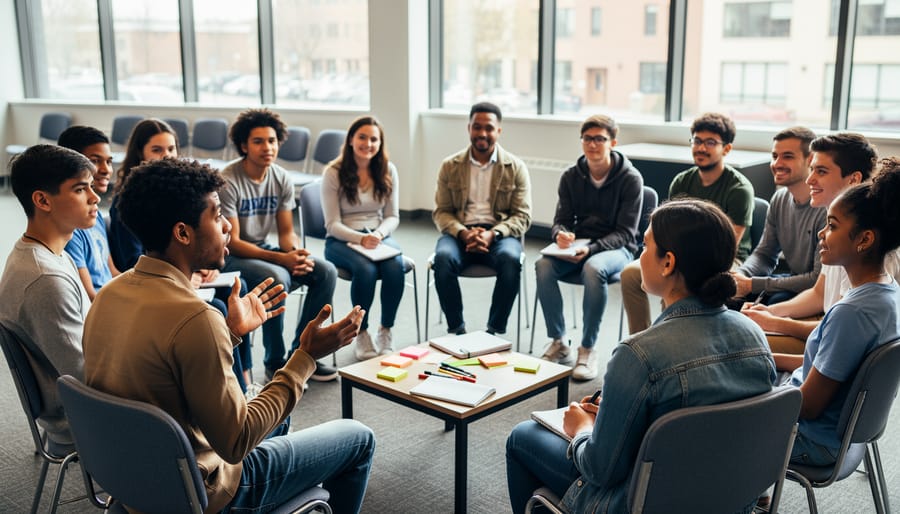
The framework organizes its seven core values, the 7 C’s, across three interconnected levels. The individual level (consciousness of self, congruence, commitment) focuses on developing personal capacity for leadership. The group level (collaboration, common purpose, controversy with civility) addresses how people work effectively together despite differences. Finally, the community/society level centers on citizenship, the ultimate goal of creating positive social change beyond your immediate circle. These levels don’t operate in isolation; growth at one level strengthens the others, creating a reinforcing cycle that builds both personal leadership capacity and collective power.
For Indigenous youth and communities practicing land-based pedagogy and consensus-building traditions, this three-level structure feels intuitive rather than imposed. It acknowledges that meaningful change requires inner work, respectful relationships, and responsibility to something larger than yourself, principles that have guided Indigenous governance for generations.
The Individual Level: Building Personal Leadership Capacity
Consciousness of Self: Knowing Your Values and Strengths
Consciousness of self starts with a simple but powerful question: What do I stand for? For young leaders, this means looking inward to understand their values, beliefs, and the experiences that shape their worldview. It’s about recognizing both strengths and areas for growth without judgment. This self-awareness becomes the foundation for authentic leadership because you can’t lead others effectively if you don’t know who you are.
Many Indigenous youth find consciousness of self through reconnecting with cultural teachings and traditional knowledge. When a young person learns their language, participates in ceremony, or hears stories from Elders, they discover values already embedded in their identity, respect for the land, collective responsibility, seven generations thinking. These aren’t abstract concepts they need to adopt; they’re part of who they are.
Consider a Cree youth in Saskatchewan who realizes their passion for environmental protection stems from their grandfather’s teachings about reciprocity with the land. That clarity transforms activism from something borrowed into something deeply personal. They’re not just fighting climate change; they’re honouring their responsibilities as a land protector.
This consciousness gives young leaders clarity about what issues genuinely matter to them, which campaigns align with their values, and what unique perspective they bring to social change work. It prevents burnout because the motivation comes from within rather than external expectations.
Congruence: Living Your Values in Action
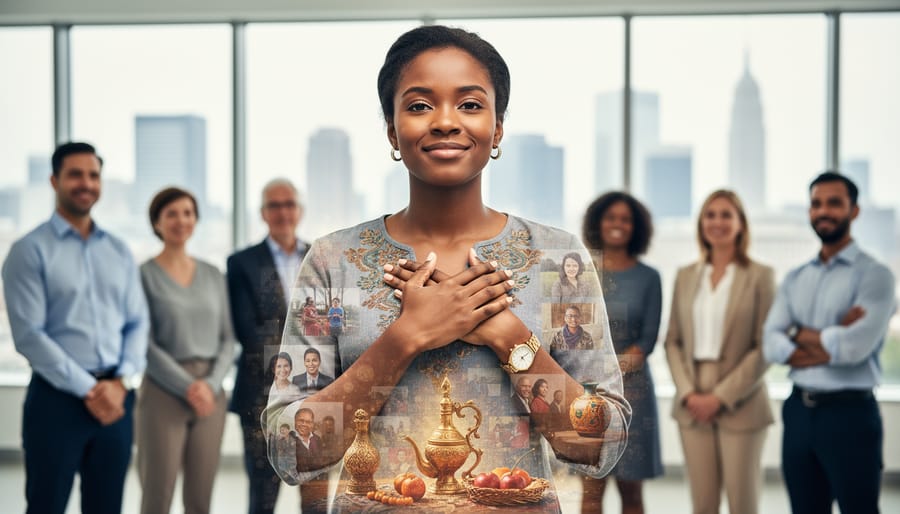
Young leaders gain credibility and lasting influence when their actions reflect their stated values. Congruence means more than talking about change, it’s about embodying it in daily choices, relationships, and advocacy efforts. For Indigenous youth, this often manifests in reclaiming traditional practices while pushing for systemic reform, demonstrating that cultural revitalization and modern activism are inseparable.
A young Anishinaabe leader from Northern Ontario exemplifies this principle. After speaking about the importance of land-based education, she helped establish a youth-led camp where participants learn traditional harvesting methods while developing environmental policy proposals. Her willingness to live on the land while engaging with government officials gives her advocacy work authenticity that resonates across communities.
Congruence also means acknowledging when we fall short. Youth leaders who openly discuss their mistakes and adjustments build trust that perfection never could. This honesty invites others into the work, showing that social change doesn’t require flawless heroes, just people committed to growing alongside their communities. When young people walk their talk, they inspire peers to examine their own alignment between belief and behavior.
Commitment: Sustaining Energy for Long-Term Change
Commitment separates fleeting enthusiasm from movements that reshape communities. Young leaders face a distinct challenge: maintaining dedication when results arrive slowly and obstacles multiply. Unlike short-term projects with clear endpoints, social change work demands sustained effort across months or years, often while juggling school, part-time jobs, and personal responsibilities.
The 7 C’s model defines commitment as the energy that keeps leaders moving forward despite setbacks. For youth, this means developing resilience early. When a petition fails, a meeting gets cancelled, or community members resist new ideas, committed young leaders adjust their approach rather than abandon the cause.
Indigenous youth leading language revitalization efforts exemplify this persistence. Programs like youth-run Cree language nests in northern communities continue despite limited funding and slow progress, because participants connect their work to intergenerational healing. Similarly, youth climate activists in British Columbia maintained pressure on old-growth logging policies through years of advocacy before seeing policy shifts.
Building commitment requires celebrating small victories, connecting daily actions to larger purpose, and creating peer support networks. Young leaders who frame setbacks as learning opportunities rather than failures sustain their energy longer. Organizations supporting youth initiatives strengthen commitment by providing mentorship, recognizing incremental progress, and helping young people see their work within a continuum of social change that extends beyond individual campaigns.
The Group Level: Harnessing Collective Power
Collaboration: Building Bridges Across Communities
Youth-led social change rarely happens in isolation. Collaboration, the fourth C, recognizes that the most effective movements emerge when young people from different backgrounds, communities, and lived experiences work together toward shared goals. This isn’t just about gathering diverse voices in one room; it’s about genuinely valuing what each person brings and creating space for multiple approaches to coexist and strengthen the work.
For Indigenous and non-Indigenous youth in Canada, collaboration offers powerful opportunities to address challenges that affect everyone, climate change, mental health, economic opportunity, while honouring distinct cultural perspectives and histories. Effective youth coalitions don’t ask Indigenous participants to set aside their worldviews or non-Indigenous youth to simply adopt practices they don’t fully understand. Instead, they create containers where different ways of knowing can inform each other.
When we collaborate across cultures, we’re not diluting our identities, we’re strengthening our collective capacity to create change that reflects the world we actually live in.
This principle shows up in initiatives like cross-cultural environmental stewardship projects where Indigenous youth share traditional ecological knowledge while non-Indigenous peers contribute scientific monitoring skills, or urban reconciliation groups where young people co-design programming that educates settler communities while centring Indigenous voices and leadership. The key is reciprocity: each participant both offers and receives, learns and teaches.
Strong collaboration requires intentional relationship-building, not just task coordination. Youth coalitions that last invest time in understanding each other’s communities, acknowledging power imbalances, and establishing clear agreements about decision-making and recognition. When done well, collaboration doesn’t just accomplish specific goals, it builds the networks and trust that sustain movements over time.
Common Purpose: Uniting Around Shared Vision
Common purpose asks diverse youth to discover shared ground without erasing what makes each person distinct. Rather than forcing everyone to think alike, this C invites groups to articulate a vision large enough to hold multiple perspectives while pointing toward concrete action. Indigenous youth often bring this skill naturally, many grow up seeing decisions made through consensus, where every voice shapes the outcome and no one’s values get steamrolled.
Building common purpose starts with listening circles or roundtables where participants name their individual stakes in an issue. A group tackling food insecurity might include young people motivated by environmental justice, others focused on cultural food sovereignty, and some driven by economic concerns. The magic happens when the group articulates a shared goal that honors all three angles: “We want every young person in our community to access healthy, culturally relevant food.”
Effective youth coalitions revisit their shared purpose regularly. As work unfolds, new tensions or opportunities emerge, and the vision needs tuning. Groups that skip this step often splinter when decisions get tough. Those that invest time in collective visioning create the foundation for sustained collaboration, even when strategies differ or resources run tight.
Controversy with Civility: Navigating Disagreement with Respect
Youth-led movements inevitably encounter disagreement. Different community members bring distinct lived experiences, cultural backgrounds, and priorities to the table. Controversy with Civility recognizes that productive conflict isn’t just possible, it’s essential for thorough solutions.
This C asks young leaders to engage difficult conversations without damaging relationships. Rather than avoiding tension or letting it fracture the group, youth learn to view disagreement as an opportunity to understand perspectives they hadn’t considered. The goal isn’t unanimous agreement but mutual respect through the process.
Many Indigenous communities model this beautifully through talking circles and consensus-building practices. Participants speak without interruption, listen deeply, and seek solutions that honor everyone’s concerns. These approaches prioritize relationship preservation over winning arguments, a principle increasingly adopted by youth coalitions working across cultural lines.
When a youth environmental group debates whether to pursue direct action or community education, for example, civility means acknowledging the validity in both strategies, exploring the reasoning behind each position, and finding creative ways to integrate multiple approaches. Young leaders practicing this C develop conflict resolution skills that serve them throughout their advocacy work, transforming potential fractures into opportunities for stronger, more nuanced action.
The Community/Society Level: Creating Lasting Impact
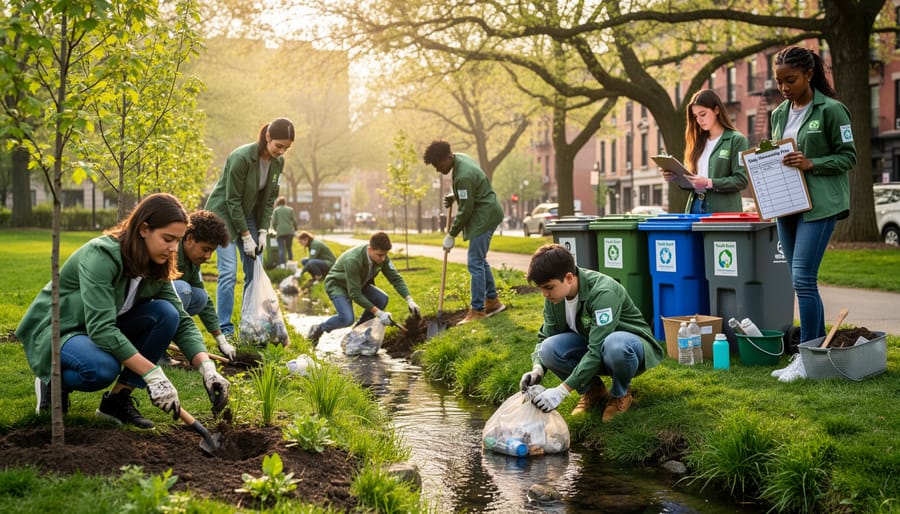
Citizenship, the seventh C, completes the Social Change Model by asking a fundamental question: What does it mean to be a responsible member of a community, and how do we translate personal growth and group collaboration into lasting social transformation? This C operates at the broadest level, connecting the inner work of consciousness and congruence with the collective power of collaboration to create meaningful change beyond any single initiative.
Unlike traditional definitions that focus on legal status or voting rights, citizenship in the Social Change Model embraces a much wider understanding of community responsibility. Young leaders practicing this C recognize themselves as active participants in multiple overlapping communities, their school, neighborhood, cultural group, nation, and the broader world. They understand that genuine citizenship requires both rights and responsibilities, taking action to improve conditions not just for themselves but for everyone, particularly those most marginalized.
- Active Citizenship
- The practice of engaging meaningfully in community life through both formal and informal channels, from organized advocacy to everyday acts of care and mutual support. In Indigenous contexts, this connects to traditional responsibilities toward all relations, human and more-than-human.
- Community Responsibility
- The recognition that individual wellbeing is inseparable from collective wellbeing, requiring each person to contribute their gifts while supporting others in doing the same. This principle honors both Western civic engagement traditions and Indigenous teachings about interconnectedness.
- Reciprocal Accountability
- A two-way relationship where community members hold both themselves and institutions accountable for creating conditions where everyone can thrive. This includes youth holding adults and systems accountable while taking responsibility for their own learning and growth.
For Indigenous youth, this C resonates deeply with cultural teachings about stewardship and the Seven Generations principle, making decisions with consideration for those who came before and those yet to come. Rather than viewing change as something imposed from outside, citizenship in this model recognizes that young people already belong to their communities and have both the right and responsibility to shape their future.
This seventh C transforms social change from a series of disconnected projects into an ongoing practice of engaged citizenship. Youth leaders practicing this C don’t simply complete service hours or run isolated campaigns. They build relationships, show up consistently, learn from community wisdom, and understand their work as part of a larger, longer movement toward justice and collective flourishing.
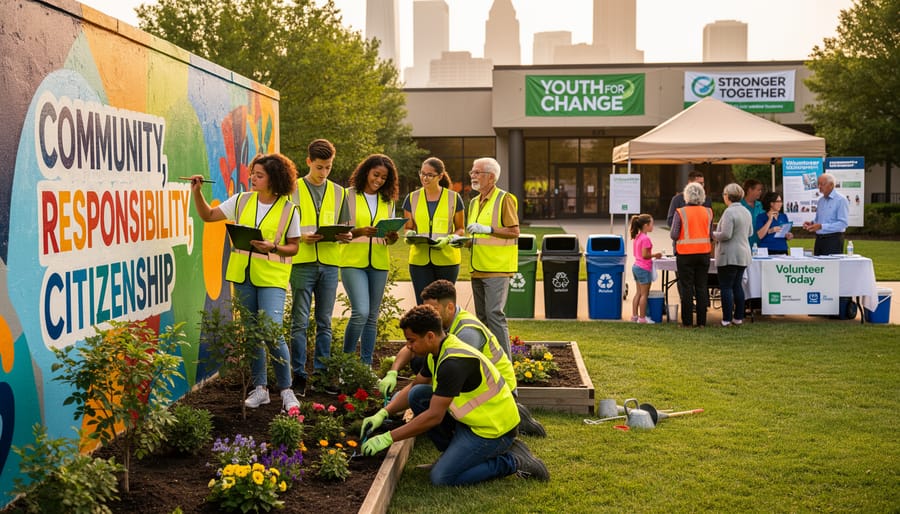
The 7 C’s in Action: Youth-Led Social Change Initiatives Across Canada
When Wiisag Nagemowin from Thunder Bay launched a youth-led water protection initiative in 2024, she didn’t realize she was applying the 7 C’s model. Yet every element was there: consciousness of her identity as Anishinaabe and responsibility to water, congruence between traditional teachings and her activism, commitment through two years of organizing despite setbacks, collaboration across nine First Nations communities, common purpose centered on clean water access, controversy with civility when negotiating with municipal authorities, and citizenship expressed through her understanding that water protection serves all beings.
Her story mirrors youth-led initiatives unfolding across Canada right now. In Vancouver, the Climate Youth Assembly brings together Indigenous and settler youth to address environmental justice. Participants develop consciousness of self by examining their relationship to the land and their privilege or marginalization. They practice collaboration by centering Coast Salish youth voices while creating space for newcomer perspectives. Their common purpose, a livable future, transcends individual backgrounds. When tensions arise about tactics or priorities, they use talking circles to work through controversy with civility, drawing on Indigenous conflict resolution practices.
Reconciliation work offers equally powerful examples. The Manitoba Youth Reconciliation Initiative, launched by Treaty 1 territory youth in 2025, demonstrates all seven C’s in motion. Young people commit months to learning residential school history directly from survivors. They develop congruence by questioning their own assumptions and changing their language and actions accordingly. The group collaborates across Indigenous nations and non-Indigenous communities to host sharing circles in schools. Their citizenship extends beyond awareness-raising to tangible policy advocacy, successfully lobbying for mandatory Indigenous history curriculum.
Community wellness initiatives show the model’s versatility. In Halifax, youth facing mental health challenges created a peer support network that transformed into a registered non-profit. They built consciousness through sharing their struggles without shame. Collaboration meant pooling diverse coping strategies and cultural healing practices. Their common purpose centered on accessible youth mental health support. When disagreements surfaced about organizational structure, they navigated controversy with civility by establishing clear decision-making processes that honored every voice.
These initiatives succeed because young leaders instinctively understand what the 7 C’s articulate: sustainable change requires inner work, collective power, and community accountability working together. The framework doesn’t create their leadership; it names and strengthens what already exists within them.
Applying the 7 C’s: Practical Steps for Youth and Youth-Serving Organizations
Young leaders can bring the 7 C’s model to life through intentional practice, while organizations can create conditions where these principles flourish. Whether you’re a young person launching your first initiative or an organization building capacity for youth leadership, these practical steps translate the framework into action.
For youth starting their own social change work, begin by mapping your strengths against community needs. Spend time in reflection (consciousness of self) identifying what issues genuinely move you and what unique perspective your lived experience brings. Indigenous youth often find power in connecting cultural teachings to contemporary challenges, this authenticity (congruence) becomes your credibility. Then reach out to others who share your concern but bring different skills or connections. Early conversations should establish both shared values and honest acknowledgment of where you disagree, practicing controversy with civility from day one.
Organizations supporting youth engagement can strengthen their approach by following this sequence:
- Assess your current youth programs against each C, identifying which leadership dimensions receive attention and which get overlooked, many programs emphasize commitment and common purpose while neglecting controversy with civility or consciousness of self.
- Create structured reflection opportunities where young people examine their values, biases, and growth areas rather than jumping straight to action planning.
- Build decision-making processes that genuinely share power with youth rather than offering token input, collaboration requires real authority over budgets, priorities, and direction.
- Establish regular check-ins on group dynamics and conflict, normalizing disagreement as productive rather than something to avoid or smooth over quickly.
- Connect youth initiatives to broader movements and policy conversations so participants see their work as citizenship within larger systems, not isolated projects.
Understanding Canada’s charity definition and funding context helps both youth and organizations navigate resources available for social change work, particularly when initiatives center Indigenous leadership or community-defined priorities that may not fit conventional program categories.
For educators, integrate the 7 C’s into existing curricula rather than treating it as an add-on. Civics classes, environmental studies, and reconciliation education all provide natural openings to name these principles when you see students demonstrating them. Make the language familiar so youth recognize the leadership they’re already showing and can intentionally develop it further.
Supporting Youth Leadership: Resources and Partnerships
Young leaders don’t have to navigate social change alone. Canada offers a growing ecosystem of organizations, networks, and funding streams specifically designed to amplify youth voices and support community-driven initiatives.
The National Association of Friendship Centres coordinates Indigenous youth programming across the country, connecting young leaders to cultural mentorship, leadership development, and project funding. Their Urban Programming for Indigenous Peoples stream has expanded in 2026 to include dedicated youth innovation grants. Similarly, TakingITGlobal’s Indigenous Youth Voices initiative provides both seed funding and digital platforms for young people to share their stories and mobilize support.
For broader youth engagement, the J.W. McConnell Family Foundation’s Youth Social Innovation program offers multi-year support for youth-led projects addressing systemic issues. Their collaborative approach pairs financial resources with mentorship from experienced changemakers. The Youth Climate Lab accelerates environmental initiatives through funding competitions and incubator programs that help young leaders develop actionable climate solutions.
Canadian charities increasingly recognize youth leadership as central to sustainable impact. Community foundations in most provinces now maintain dedicated youth granting committees where young people make funding decisions about projects in their own communities, a powerful model of trust and capacity-building.
Provincial networks like Ontario’s Youth Leadership Network and BC’s Council of Youth Organizations provide peer connections, training workshops, and advocacy platforms. These networks help young leaders share strategies, access resources, and build coalitions across geographical and cultural boundaries. Many offer virtual programming that reaches rural and remote communities otherwise isolated from support structures.
Start by identifying organizations aligned with your community’s priorities and values, then explore how their resources can strengthen your specific initiative.
The 7 C’s Social Change Model offers young leaders more than a framework, it provides a roadmap for transforming passion into lasting impact. By developing consciousness of self, congruence, and commitment at the individual level, youth build the foundation they need to show up authentically. Through collaboration, common purpose, and controversy with civility, they learn to harness collective power across differences. And through citizenship, they connect their efforts to the broader movements shaping our communities and country.
This model resonates particularly well with Indigenous youth leadership approaches because it honors both individual gifts and collective responsibility. It recognizes that meaningful change doesn’t come from lone heroes but from communities working together with shared purpose and mutual respect. The framework validates what many Indigenous young people already know: leadership isn’t about authority over others, but about service to the collective good.
Yet frameworks alone don’t create change. Young leaders need tangible support, funding for their initiatives, mentorship from experienced changemakers, platforms to amplify their voices, and organizations willing to share decision-making power rather than simply consulting youth as an afterthought.
The question facing Canadian communities, NGOs, educators, and philanthropic organizations isn’t whether youth can lead social change. Young people across this country have already proven they can. The question is whether we will remove the barriers that limit their potential and create the conditions where youth-led initiatives can flourish.
Investing in youth leadership through the 7 C’s model means investing in sustainable solutions built on collaboration, cultural wisdom, and authentic engagement. It means trusting young people to co-create the future they will inherit. That investment starts with saying yes to youth voices, backing their projects with resources, and standing alongside them as partners in the work of building stronger, more just communities.