
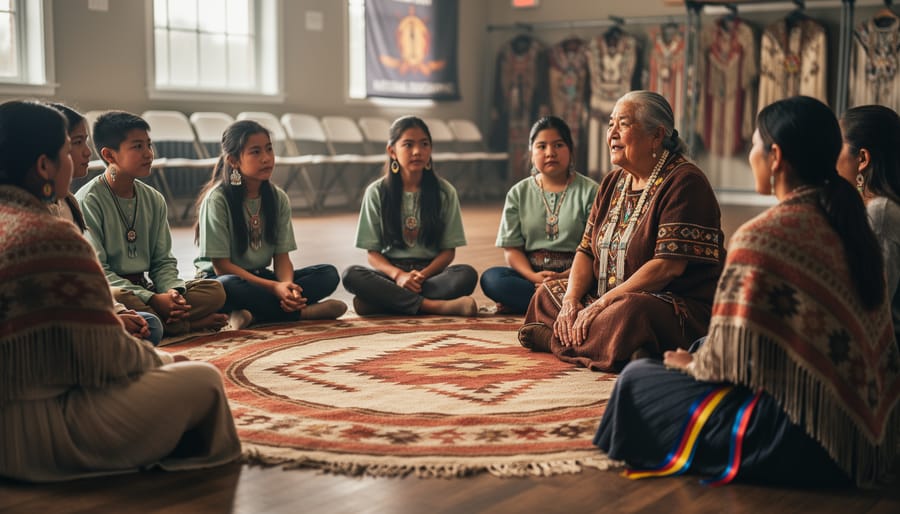
An Indigenous engagement institute is an organization that helps governments, businesses, nonprofits and educators build respectful, lasting relationships with Indigenous communities. It does this through learning, convening and practical guidance, and it starts from a simple principle: partnerships work when Indigenous Nations set the terms, not when they’re invited in after the plan is written.
What does that look like in practice? Think workshops on consultation, forums where leaders compare approaches, and tools that turn good intentions into shared decision-making. One current example from Atlantic Canada is the Indigenous Consultation & Engagement Atlantic Conference, held on October 22, 2026 at The Prince George Hotel in Halifax, Nova Scotia. It brings together Indigenous leaders, legal experts, industry representatives and governments to explore consultation best practices, economic reconciliation, environmental stewardship and Nation-to-Nation partnerships.
This profile explains what such institutes are, what they offer, who they serve and how to connect with them, with Indigenous perspectives and community-led success stories at the centre.
What an Indigenous Engagement Institute Is and Why It Matters
Engagement, Consultation and Partnership: Clearing Up the Terms
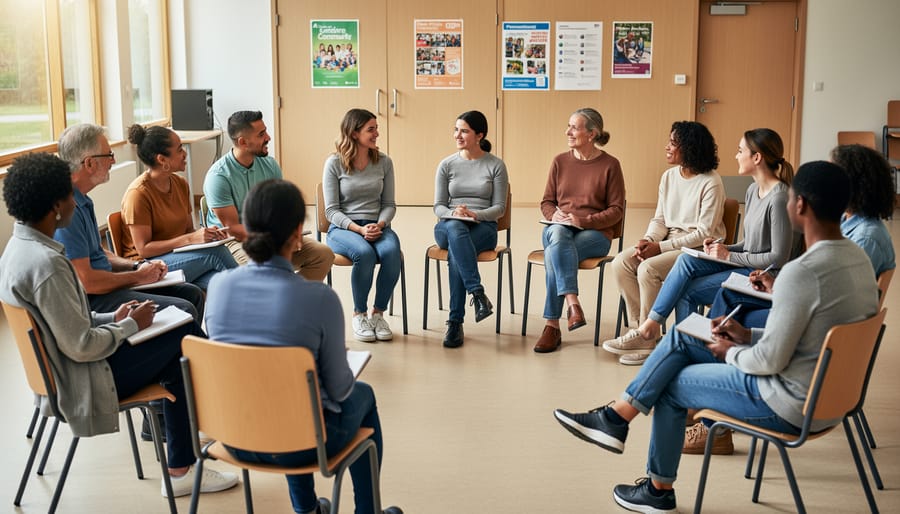
These terms often get used as if they mean the same thing, but they describe different things. Engagement builds relationships over time, through open conversation, listening and shared learning, long before any specific decision is on the table.
Consultation is narrower. It is a structured process in which governments, and sometimes industry, seek input from Indigenous communities when a proposed project or decision could affect their rights, lands or ways of life. The goal is to hear concerns and respond to them, ideally early enough to shape the outcome.
Partnership goes further. It means working together as equals, with shared goals and shared decision-making, often over many years.
Underneath all three sits the principle of Nation-to-Nation relationships: Indigenous Nations are distinct governments with their own laws and priorities, not stakeholders to be managed. Because every Nation is different, there is no single right way to engage. The respectful starting point is to ask, listen and follow each community’s lead.
What These Institutes Do: Programs, Services and Shared Learning

Partnerships in Practice: Stories of Collaboration
When engagement works, it rarely looks like a single announcement. It looks like a relationship that deepens over years, led by Indigenous communities and supported by partners who show up prepared and stay committed.
Across Canada, the stories that stand out tend to share a few patterns. Community-led economic ventures grow because the Nation sets the direction and partners follow. Co-designed programs reflect local priorities, languages and knowledge from the very first conversation. And long-term relationships between Indigenous organizations and philanthropic or non-profit partners build trust that short-term funding cycles alone can’t. You can see this in work focused on Indigenous youth outcomes where community leadership shapes what support looks like.
An engagement institute can help create the conditions for these partnerships. Typical activities include:
- Workshops and training for partners preparing to engage respectfully
- Facilitated dialogues between communities, governments and industry
- Partnership-building support that begins with listening
- Resource sharing, including practical tools and lessons learned
- Guidance for community-led projects that keep decision-making with the Nation
Because structures and offerings differ, it’s worth confirming directly with any institute what it currently provides.
Gatherings like the Indigenous Consultation & Engagement Atlantic Conference, held October 22, 2026 in Halifax, also show how Indigenous leaders, legal experts, industry representatives and governments come together to explore Nation-to-Nation partnerships and economic reconciliation.
Every community’s journey is its own, and the most meaningful stories belong to the people who lived them. If you have a story of collaboration to share, or lessons from a partnership that worked, we invite you to join the conversation on this journal and add your voice.
Who Indigenous Engagement Institutes Are For
Indigenous engagement institutes serve a wide circle of people, and the starting point is simple: Indigenous communities and organizations are leaders and decision-makers. They set the terms of any relationship, and they often look for partners who arrive informed, patient and ready to listen rather than ready with a finished plan. What each community wants will differ, so no one profile fits everyone.
For other groups, the draw is preparation. Governments and industry representatives may want to understand respectful consultation. Non-profit and philanthropic leaders often want to learn how to support community-led priorities. Before approaching a funder, it helps to know why the charity definition matters for Indigenous communities, and what foundation accountability looks like in practice.
| Audience | What they may seek | A respectful first step |
|---|---|---|
| Indigenous community leaders and organizations | Partners who come prepared and honour community priorities | Set the terms and pace of any new relationship |
| Government and industry representatives | Guidance on respectful consultation and Nation-to-Nation relationships | Learn the history and context before reaching out |
| NGO and philanthropic leaders | Ways to support community-led work | Listen first, then ask what support is wanted |
| Educators and policy makers | Shared learning that informs programs and policy | Center Indigenous voices in the work |
| General public | A better understanding of reconciliation | Follow and learn from Indigenous-led sources |
Educators and policy makers tend to look for shared learning they can carry into classrooms and decisions. Members of the public are welcome to learn too, though learning works best when Indigenous perspectives lead the conversation.
How to Engage: Getting Involved and Preparing Well
Key Details: Indigenous Consultation & Engagement Atlantic Conference
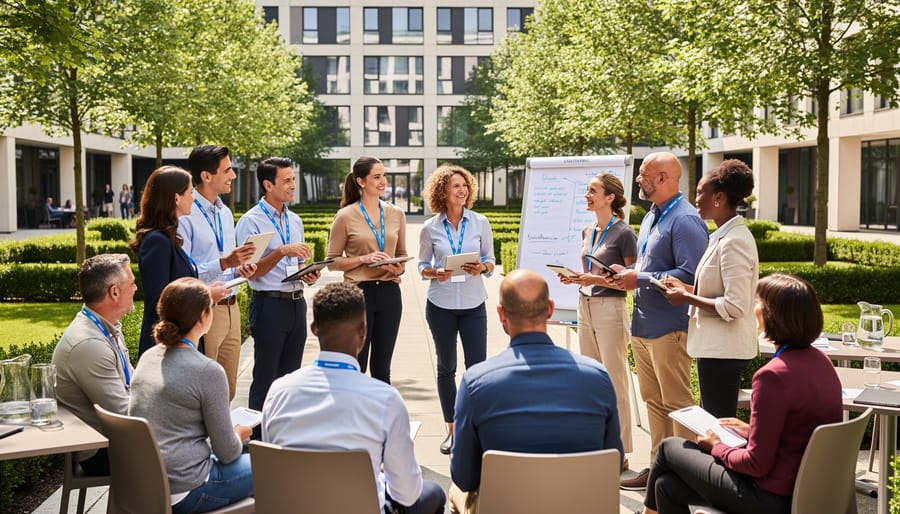
For anyone who wants to see how these conversations play out in practice, the Indigenous Consultation & Engagement Atlantic Conference offers a clear example. It brings together Indigenous leaders, legal experts, industry representatives and governments to explore best practices across Atlantic Canada. The details below are the ones verified so far.
| Detail | Information |
|---|---|
| Event | Indigenous Consultation & Engagement Atlantic Conference |
| Date | October 22, 2026 |
| Venue | The Prince George Hotel, 1725 Market St, Halifax, Nova Scotia B3J 3X8 |
| Focus areas | Indigenous consultation, economic reconciliation, environmental stewardship and Nation-to-Nation partnerships |
Notice how the focus areas mirror the themes covered throughout this article: preparation, respect and long-term partnership. Gatherings like this give different groups a shared space to learn side by side.
Details such as the organizers, agenda, speakers and registration aren’t covered here, and this conference isn’t tied to any particular institute. Before making plans, confirm the latest information directly with the event organizers.
Common Questions About Indigenous Engagement Institutes
Readers often arrive at this topic with practical questions, so the answers below are kept evergreen. Because structures, mandates and offerings differ from one institute to the next, the most reliable details will always come from the organization itself.
What does an Indigenous engagement institute do?
Most work in a few common ways: offering training, convening dialogue, sharing practical tools and supporting partnerships between Indigenous communities and other organizations. Specific programs vary, so check what a particular institute currently offers.
Can non-Indigenous organizations take part?
Often, yes, especially governments, industry, non-profits and philanthropic groups looking to build respectful relationships. Eligibility and expectations differ, so ask the institute directly and be ready to listen first.
How is engagement different from consultation?
Consultation is often a defined process tied to specific decisions, while engagement is an ongoing, relationship-based practice. Strong engagement tends to make consultation more meaningful, because trust is already in place.
How do I find out what is currently offered?
Go to the institute’s official channels for current programs, events and contacts rather than relying on third-party summaries. For events such as the Indigenous Consultation & Engagement Atlantic Conference, held October 22, 2026 in Halifax, confirm details with the organizers.
If you are new to this space, a good first step is simply to learn from Indigenous voices and the communities whose lands and priorities your work touches. Approach early conversations with patience, curiosity and a willingness to follow community leadership rather than arriving with a fixed plan.
Strong Indigenous Community Engagement and Partnerships don’t come from a single meeting or a well-drafted checklist. They grow from respect, careful preparation and a willingness to stay in the relationship for the long haul. Engagement institutes can help partners build those foundations, offering space to learn, ask questions and approach the work with humility.
If you’re ready to take a next step, start with the official channels of the organizations you want to learn from, and confirm current programs and contacts directly with them. Listen to Indigenous voices, and let community-led success stories shape how you think about collaboration. When you do, you’re not just preparing for a partnership. You’re helping build one that lasts.
We’d love to have you with us. Join the conversation in the community dialogues on this journal, share what you’ve learned, and help keep the learning going.